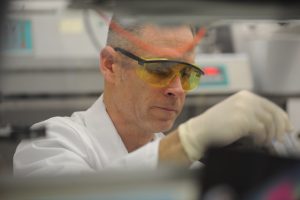
Peptides have moved from niche lab compounds to mainstream research tools in a very short time. What changed is not hype. It is access, transparency, and a better understanding of how these short chains of amino acids interact with biological systems. For researchers, clinicians in training, and informed consumers, peptides now sit at the intersection of science, recovery, and performance research.
At their core, peptides are signaling molecules. They tell cells what to do. Some signal repair, others regulate hormone release, inflammation, or cellular communication. Because they are more targeted than many traditional compounds, peptides have become popular in research settings where precision matters.
Why peptide research has accelerated
The growth in peptide interest is closely tied to three factors.
First, manufacturing quality improved. Reputable suppliers now provide third party testing and certificates of analysis, allowing buyers to verify purity and composition. This changed trust levels across the market.
Second, education expanded. Clear instructional content, calculators, and transparent documentation reduced the barrier to entry. Researchers no longer rely solely on dense academic papers to understand reconstitution, dosing frameworks for research, or storage requirements.
Third, logistics caught up. Fast delivery, local distribution, and responsive customer support mean researchers can work without long delays or uncertainty. In the UK market especially, having domestic suppliers matters for compliance, shipping time, and reliability.
Common peptides in current research
Several peptides appear repeatedly in current research discussions due to their signaling roles.
CJC1295 without DAC and Ipamorelin are often studied together for their effect on growth hormone release patterns. Researchers focus on pulsatile signaling rather than sustained exposure, which is why the non DAC version is commonly selected in studies.
BPC157 is widely examined for tissue repair and gut related signaling. Research interest centers on angiogenesis, inflammation modulation, and recovery pathways. It is frequently discussed in musculoskeletal and gastrointestinal research contexts.
TB500 is studied for its role in actin regulation and cellular movement. Research explores how it may influence tissue regeneration processes and inflammation signaling.
Bacteriostatic water plays a quieter but essential role. Proper reconstitution is critical for maintaining sample integrity and reducing microbial growth in multi use research settings.
The importance of quality control
Peptide research lives or dies by quality. Small variations in purity can distort results. That is why third party testing is not optional. Certificates of analysis allow researchers to confirm molecular weight, purity percentage, and batch consistency.
Equally important is handling. Clear instructions, correct storage temperatures, and proper reconstitution techniques protect the validity of any study. This is where educational resources and responsive support teams matter as much as the product itself.
Responsible positioning and compliance
Reputable peptide suppliers clearly state research use disclaimers. This is not legal fluff. It sets expectations and protects both the supplier and the buyer. Peptides sold for research are not consumer supplements, and they are not medicines. They are tools for laboratory and investigational use.
This clarity separates serious operators from opportunistic sellers. It also aligns with UK and EU regulatory realities, which are strict and evolving.
Customer experience as a credibility signal
In niche scientific markets, service quality becomes a proxy for legitimacy. Fast responses, transparent policies, and clear communication signal that a business expects scrutiny and welcomes it.
Free shipping thresholds, predictable dispatch times, and accessible support hours are not just conveniences. They reduce friction for researchers working on schedules and budgets.
Social proof also plays a role. Reviews that focus on service reliability and delivery speed often matter more than marketing language. Researchers value consistency over promises.
Where peptide research is heading
The next phase of peptide research will likely focus on combinations, timing, and individual response variability. Instead of asking whether a peptide works, researchers increasingly ask how, when, and for whom.
Data driven experimentation, supported by high quality compounds and reliable suppliers, will shape this space. As knowledge spreads, so does the expectation that suppliers meet higher standards.
In that sense, peptide suppliers are no longer just vendors. They are infrastructure. Those that invest in testing, education, and service will define the market. Those that do not will disappear.
Peptides are not magic. They are signals. Used responsibly, studied carefully, and sourced properly, they remain one of the most interesting tools in modern biological research. Read more and visit Regen Labs.

John Davis is a seasoned health journalist with expertise in public health and medical research. Holding a degree in health sciences, John excels in making complex health topics understandable and engaging for his readers. His articles, featured in top health publications, cover everything from cutting-edge treatments to public health policies. Outside of journalism, John is an advocate for health education and frequently speaks at community events.