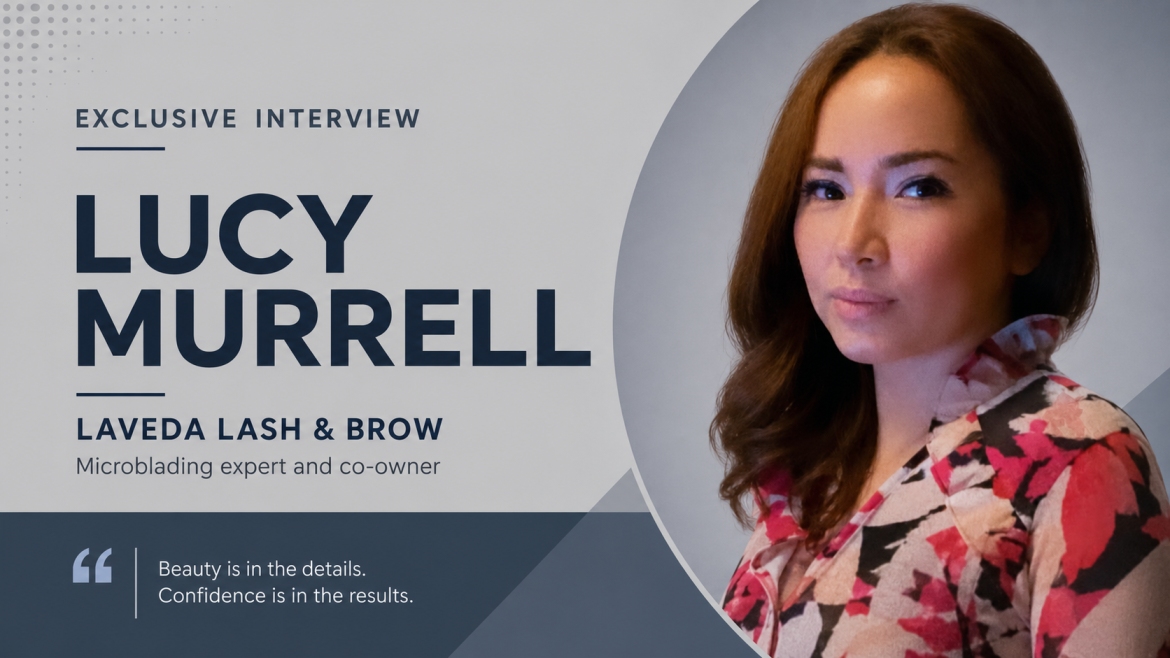
We spoke with Lucy Murrell, co-owner of Laveda Lash & Brow, about what consumers should understand before choosing microblading or another permanent makeup brow treatment, from skin suitability and hygiene standards to healing, aftercare and long-term pigment retention.
Lucy Murrell is a Master Permanent Makeup (PMU) Brow Artist and microblading trainer with more than seven years of experience. She is PhiBrows certified, a multi-state licensed cosmetology instructor and a licensed esthetician. She has performed hundreds of microblading and shading procedures and works with clients at Laveda Lash & Brow’s Washington, D.C., locations.
Laveda Lash & Brow offers microblading, nano strokes, powder and ombré brows, combination brows and related permanent makeup services. The business has locations in Tysons/Vienna, Virginia, and on 14th Street and in Georgetown in Washington, D.C.
In this interview, Lucy Murrell explains how the techniques differ, why the client’s skin type matters, what safe practice should look like and why freshly completed brows shouldn’t be mistaken for the final result.
Microblading has become increasingly popular. What should someone understand about the procedure before deciding whether it is right for them?
The first thing to understand is that microblading is a semi-permanent procedure. Results typically fade over time, although pigment can remain in the skin for years, and periodic touch-ups may be needed.
Healing is also an important part of the process. Brows can initially appear darker and more defined before lightening as the skin heals. Mild redness, tenderness or flaking can occur.
The artist matters. Consumers should look for a licensed, experienced professional and ask to see a portfolio of healed results, rather than relying only on photographs taken immediately after a procedure.
The desired result matters as well. Microblading can be ideal for enhancing sparse brows and creating a natural hair-stroke effect, but it isn’t necessarily the right technique for everyone.
A consultation should always come first. The professional should evaluate the client’s existing brows, skin type, lifestyle, expectations and relevant medical considerations before proceeding.
Who is a good candidate for microblading, and when might another technique be more appropriate?
Microblading can be appropriate for someone with sparse, thin, uneven or over-plucked brows who wants a natural hair-stroke appearance and a semi-permanent alternative to daily brow makeup.
A good candidate should also have realistic expectations about the healing process, fading and ongoing maintenance, and be willing to follow pre-care and aftercare instructions.
Skin type makes a difference. People with oily, mature or thin skin may be better candidates for nano brows or another technique. Oily skin in particular can cause individual microbladed strokes to soften or fade more quickly, whereas normal or dry skin may retain crisp hair strokes for longer.
Medical circumstances also need to be considered. People taking blood-thinning medications or dealing with immune-related conditions, as well as those undergoing chemotherapy or who are pregnant or breastfeeding, should speak with their doctor before considering the procedure.
Because microblading places pigment into the skin, what hygiene and infection-control standards should consumers look for?
Because microblading breaks the skin, consumers should approach it more like a cosmetic tattoo procedure than an ordinary brow treatment. Technique is important, but licensing, sanitation and the condition of the treatment environment matter just as much.
First, verify the practitioner’s licensing and credentials. Licensing and permit requirements vary by state and locality, so clients should check the rules that apply where the procedure is being performed.
The treatment area should be clean, organised and specifically prepared for procedures that break the skin. Surfaces that could become contaminated should be disinfected between clients, while reusable equipment should be appropriately cleaned and sterilised.
Needles and blades should be sterile and single-use. Microblading blades and machine needle cartridges should be individually packaged and opened for the client. They should be discarded after one client and never reused.
How do microblading, nano strokes and powder or ombré brows differ?
Microblading uses a handheld tool with very fine blades to create individual hair-like strokes. The aim is a natural, textured brow that resembles real eyebrow hairs.
It is generally best suited to clients with normal to dry skin, relatively small pores and sparse areas who want a natural-looking enhancement. On very oily skin, skin with larger pores or skin that produces a lot of sebum, the strokes may heal more softly or lose definition more quickly.
Nano strokes also create realistic hair-like strokes, but they are made with a machine and a very fine needle instead of a manual microblading blade. The machine allows the artist to control depth and movement precisely.
Nano strokes can suit a broader range of clients, including some whose skin isn’t ideal for traditional microblading. They can be particularly useful when the goal is very fine, realistic-looking hair strokes. The artist can adjust the needle configuration, speed and technique according to the client’s skin and desired result.
Powder or ombré brows create more of a soft, makeup-like effect rather than individual hairs. Pigment is deposited throughout the brow to create definition. With an ombré effect, the front of the brow is generally lighter and becomes progressively more defined toward the tail.
Powder techniques can work particularly well for people with oily or mature skin, larger pores or previous brow work, as well as clients who prefer a more polished, makeup-inspired result. They can also provide more predictable healed results than individual hair strokes on oily skin.
We can also combine techniques. Combo brows use hair strokes together with shading to create additional density while maintaining a soft appearance.
The consultation is where we decide what makes the most sense for the individual. We consider the person’s goals and skin type and discuss whether microblading, nano strokes, powder brows or a combination approach is likely to produce the best result.
We also map and draw the proposed brow shape before beginning the procedure so the client can see the planned size and shape.
View this post on Instagram
What does healing usually look like after a brow procedure?
Healing after microblading, nano strokes, powder brows or another cosmetic brow procedure is gradual. The exact timeline depends on the technique, skin type, pigment and the individual’s healing response, but clients should expect the appearance of their brows to change during the first several weeks.
Complete healing generally takes around six to eight weeks.
One of the most important parts of aftercare is keeping the area clean and avoiding picking or scratching the healing skin. Clients should also protect the area from the sun and avoid swimming, hot tubs and extensive sweating while it heals.
The brows immediately after the procedure are not the finished result. They may initially look darker, sharper or more dramatic. Pigment can then appear considerably lighter at different stages of healing before the final colour becomes clearer.
What risks or unwanted reactions should clients be aware of?
Infection is one potential complication, particularly if bacteria are introduced into the treated skin. Increasing redness, warmth, swelling, pain, drainage or pus, or fever can indicate an infection.
Some people may also react to pigments, topical anaesthetics or other products used during the procedure. Possible symptoms include persistent or worsening redness, itching, swelling, a rash or blistering.
Anyone who suspects an infection should contact a healthcare professional promptly rather than attempting to treat a potentially serious infection solely with cosmetic products or home remedies.
Fever, rapidly spreading redness or swelling, severe pain, red streaking or feeling significantly unwell are reasons to seek urgent medical attention.
Why do some people’s results last longer than others?
Pigment retention is highly individual. Two clients can receive the same technique from the same artist and still have very different healed results.
Skin biology, lifestyle, skincare, sun exposure and the technique used all affect how quickly pigment softens and fades. Some people may require a longer-term touch-up every two or three years, while others may choose to refresh their brows annually.
Oily skin can be particularly challenging for crisp hair-stroke techniques because sebum may cause the pigment to heal more softly and the individual strokes to lose definition sooner. People with very oily skin may find that powder or ombré techniques give them more consistent long-term results.
Normal or dry skin often retains fine hair strokes more clearly, although very dry or compromised skin can also affect healing.
Age can affect the process because skin thickness, elasticity, collagen production, cell turnover and oil production change over time. Mature skin can be thinner or more delicate, so the practitioner needs to adjust the technique and pigment implantation accordingly.
Sun exposure is another factor. UV exposure can accelerate pigment fading, particularly for clients who spend significant time outdoors without adequate sun protection after the area has fully healed.
Certain skincare products and treatments may also affect pigment retention. Retinoids, exfoliating acids and other active ingredients used around the brow area may contribute to faster fading.
Chemical peels, resurfacing treatments and certain laser procedures may also affect cosmetic tattoo pigment. Clients should tell their skincare professional that they have permanent or semi-permanent brow pigment before undergoing treatment around the area.
What misconceptions about microblading and permanent brow makeup do you encounter most often?
One of the biggest misconceptions is that microblading is completely permanent, or, conversely, that because it is called semi-permanent, the pigment will simply disappear after a predetermined period.
Pigment fades, but some of it can remain in the skin for years. Longevity varies from person to person.
Another misconception is that microblading works for everyone. It doesn’t. Skin type makes a considerable difference. Very oily skin, mature or delicate skin, large pores, certain skin conditions and previous permanent makeup can all affect the technique and healed result.
Sometimes a client arrives specifically asking for microblading but is actually better suited to nano strokes, powder brows or a combination technique.
People also expect permanent makeup brows to look perfect immediately. Freshly completed brows are not the final result. They can initially appear darker, sharper or more dramatic than they will once healed. During healing, the pigment can fade significantly before becoming more visible again. Clients need to allow the skin to heal completely before judging the outcome.
Another misconception is that adding more pigment automatically produces a better result. Permanent makeup is about controlled pigment placement and appropriate saturation. Overworking the skin can cause unnecessary trauma, while excessively saturated brows may be more difficult to correct later.
I also tell clients that a photograph of freshly completed brows doesn’t tell the whole story. Fresh brow photographs can look beautiful, but they don’t show what happens after healing.
Consumers should ask potential practitioners to show them healed results. Those photographs provide a better indication of the artist’s understanding of skin, pigment, colour theory and technique.
Permanent makeup also doesn’t necessarily eliminate all maintenance. It can significantly reduce the amount of daily brow makeup someone uses, but brows still fade and skin changes over time. Some clients will choose occasional touch-ups.
Finally, price alone isn’t a reliable measure of quality. Consumers should consider a practitioner’s training, licensing, experience, healed work, sanitation practices, consultation process and ability to work with different skin types.
I would rather choose an artist who carefully explains why a particular technique isn’t appropriate for me than one who simply agrees to everything I request.
Choosing a brow procedure with the healed result in mind
For Lucy Murrell, the decision between microblading, nano strokes, powder brows and combination techniques begins with the individual rather than a preferred procedure. Skin type, existing brow hair, previous permanent makeup, lifestyle and the client’s expectations can all affect both technique selection and the eventual healed result.
Her advice to consumers is equally practical: verify credentials, pay attention to sanitation practices, ask to see healed work and take the consultation seriously. Permanent and semi-permanent brow treatments involve breaking the skin, require a healing period and can need maintenance over time.
A successful consultation should therefore include more than choosing a brow shape. It should give the client a clear understanding of the procedure, expected healing, aftercare, possible risks and whether the requested technique is actually appropriate for their skin.
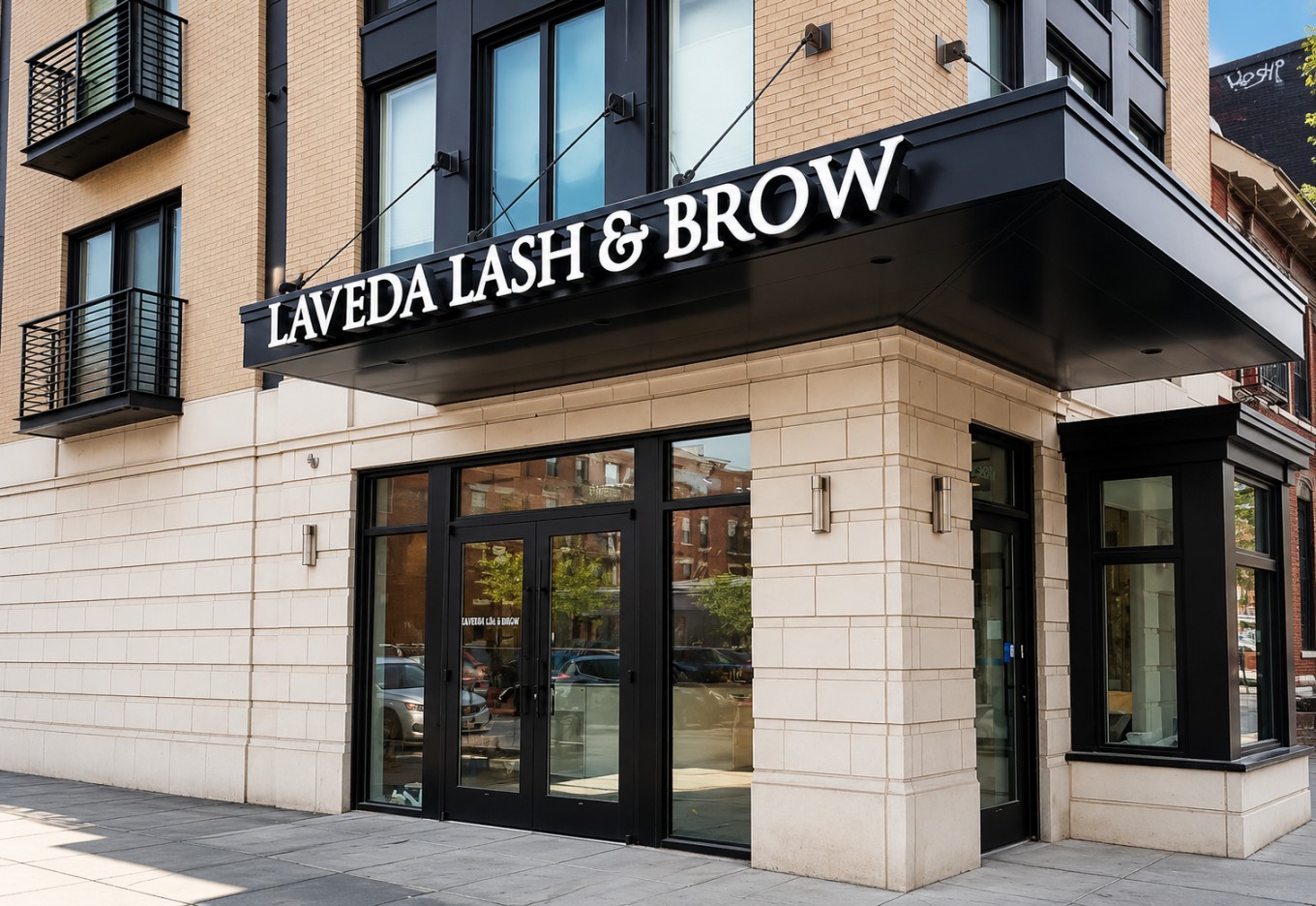
Learn more or follow up with Lucy Murrell at www.lavedaboutique.com

Nancy Cole is a journalist with more than 15 years of experience covering health, education and science. She holds a B.S. from Brock University and a Ph.D. in Biology from the University of Guelph. Before moving into journalism, she worked as a medical consultant for a major insurance provider.